
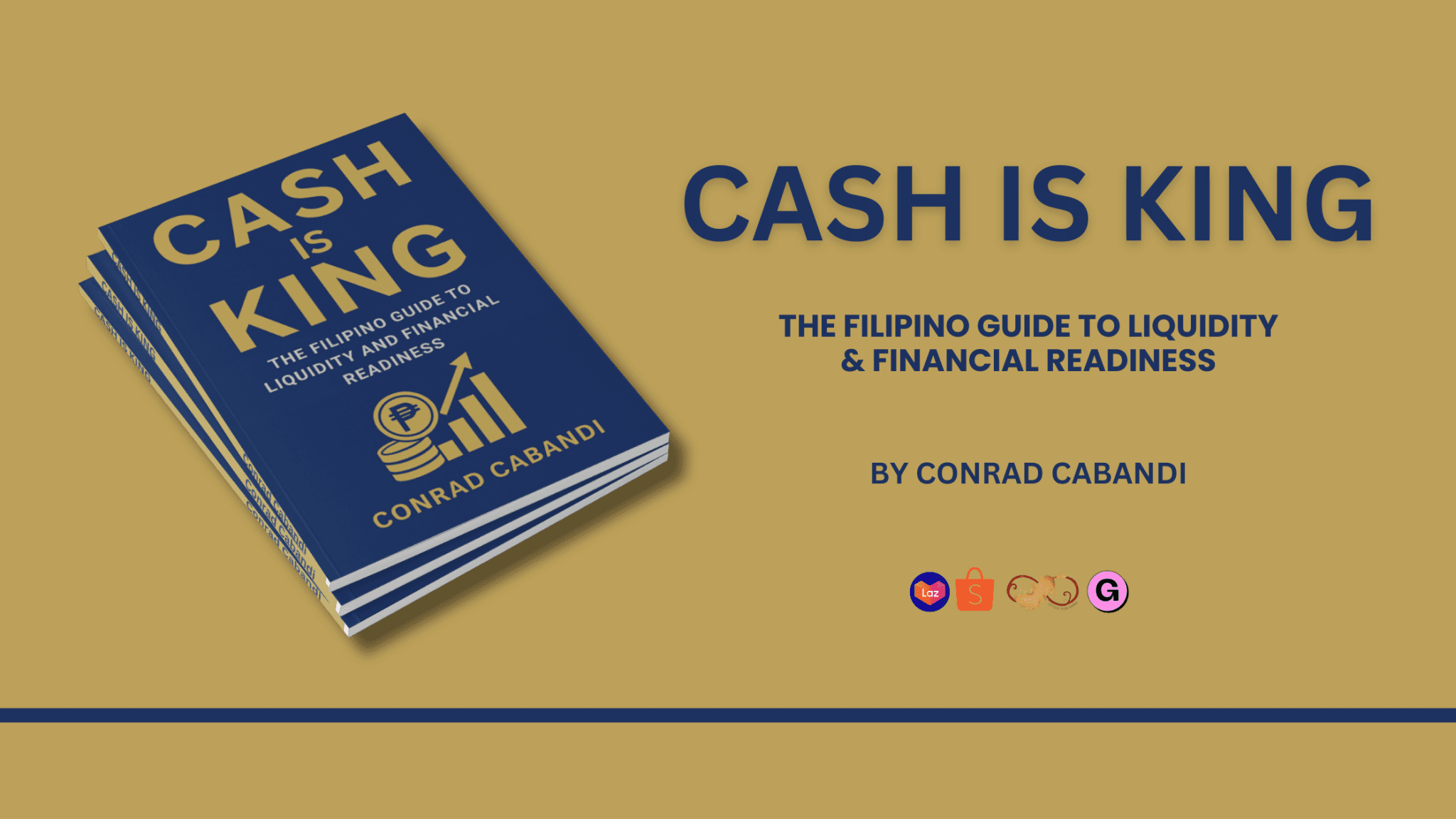
CASH IS KING: The Filipino Guide to Liquidity and Financial Readiness
A book that puts liquidity and financial readiness at the heart of managing daily life in the Philippines.
Cash Is King shifts the focus from wealth accumulation to financial readiness and liquidity, showing readers not just how to earn, but how to manage, access, and protect their money when life demands it.
What does “liquidity” mean in practical terms for the average Filipino household, and why is it the central theme?
For most Filipino households, liquidity is money you can actually use right now—cash in your wallet, funds in your savings account, balances in e-wallets, or anything you can withdraw immediately without penalties.
“Liquidity is what pays for an unexpected hospital bill, covers daily needs, or puts food on the table during tough times.”
The author chose liquidity as the central theme because many families, despite having income, assets, or investments, still struggled during emergencies. Liquidity bridges the gap between stability and vulnerability.
How does “Cash Is King” apply to ordinary Filipinos?
For everyday Filipinos, Cash Is King isn’t about profits—it’s about accessibility and peace of mind.
- Sari-sari store owners with cash survived tough months; those without had to close temporarily.
- Families with cash could buy medicine immediately, avoiding high-interest loans or pawning valuables.
“Cash allows families to make calm, practical decisions instead of panicking.”
Why is financial readiness more important than wealth accumulation?
In the Philippines, income can be unstable due to contractual jobs, informal work, or emergencies. Wealth takes time—but crisis doesn’t wait.
“Readiness is about surviving first, then growing. Without it, wealth plans collapse at the first sign of trouble.”
How can those living paycheck to paycheck start an emergency fund?
You don’t need large amounts. Start small, stay consistent, and protect it from everyday spending.
- One market vendor saved her daily “sukli” in a separate container, and over time, it became her emergency fund.
“The key is consistency, not size.”
How do Filipino cultural values influence liquidity?
Values like utang na loob, extended family support, and bayanihan encourage generosity—but they can also strain finances.
“True bayanihan should not lead to self-sacrifice that causes financial collapse. Helping others is sustainable when you’re prepared yourself.”
Liquidity allows generosity without guilt or regret.
Why are mindsets like “utang muna, bayad later” and “bahala na” risky?
These attitudes may have worked before, but today’s economic environment is more complex.
“Hope is good, but you also need to be prepared. Having cash on hand gives you control instead of leaving things to chance.”
Common financial mistakes during economic shocks—and how to avoid them
- Over-reliance on credit
- Selling assets at the worst possible time
- Having all money tied up in illiquid assets
Solution: prioritize emergency funds and keep some savings easily accessible.
Who is this book for, and what mindset shift do you hope readers take away?
Cash Is King is for every Filipino household, from employees and small business owners to OFWs, parents, and students.
“Financial security isn’t about how much you earn, but how prepared you are. Stop saying, ‘Kulang ang kita ko.’ Start saying, ‘Handa na ako!’”
What’s the first action readers should take?
Start building an emergency fund today, even if it’s small.
That single action transforms intention into commitment. It marks the moment someone chooses readiness over uncertainty.”
How can Filipinos move away from “bahala na”?
Preparation is an act of self-respect and love for your family.
“Liquidity is freedom. It gives you the confidence to face life with clarity, make wise choices, and safeguard what truly matters.”